
The Fabric of Wildland Fire Gear
What It Is and Why It Works
Wearing fabrics that are not fire-resistant (FR) on the fireline can cause or worsen injuries. Synthetic fabrics such as polyester and nylon sustain flame and melt when burned. These qualities near your skin can result in burn injury complications that are extremely painful and harmful.
That's why Aramids (brand name Nomex) are used in wildland PPE. Firefighters need clothing that can handle heat and flame, but still breathe, move, and hold up through hiking, digging, cutting, and long hours in ugly conditions.
If you've ever wondered what makes these fabrics different from regular workwear, here's the plain answer.
Aramid (brand name Nomex), in plain language
Aramid/para-aramid is a flame-resistant fiber used in protective clothing. The key point is simple, the protection is built into the fiber itself. It isn't a regular fabric with a chemical finish sprayed on later.
That matters because treated fabrics can lose performance over time, depending on the treatment and wear. With current wildland fabrics, the flame resistance is inherent to the material. The fabric can still get worn, washed or damaged, but the core flame-resistant property isn't something that washes away like a surface coating.
How aramids handle heat and flame
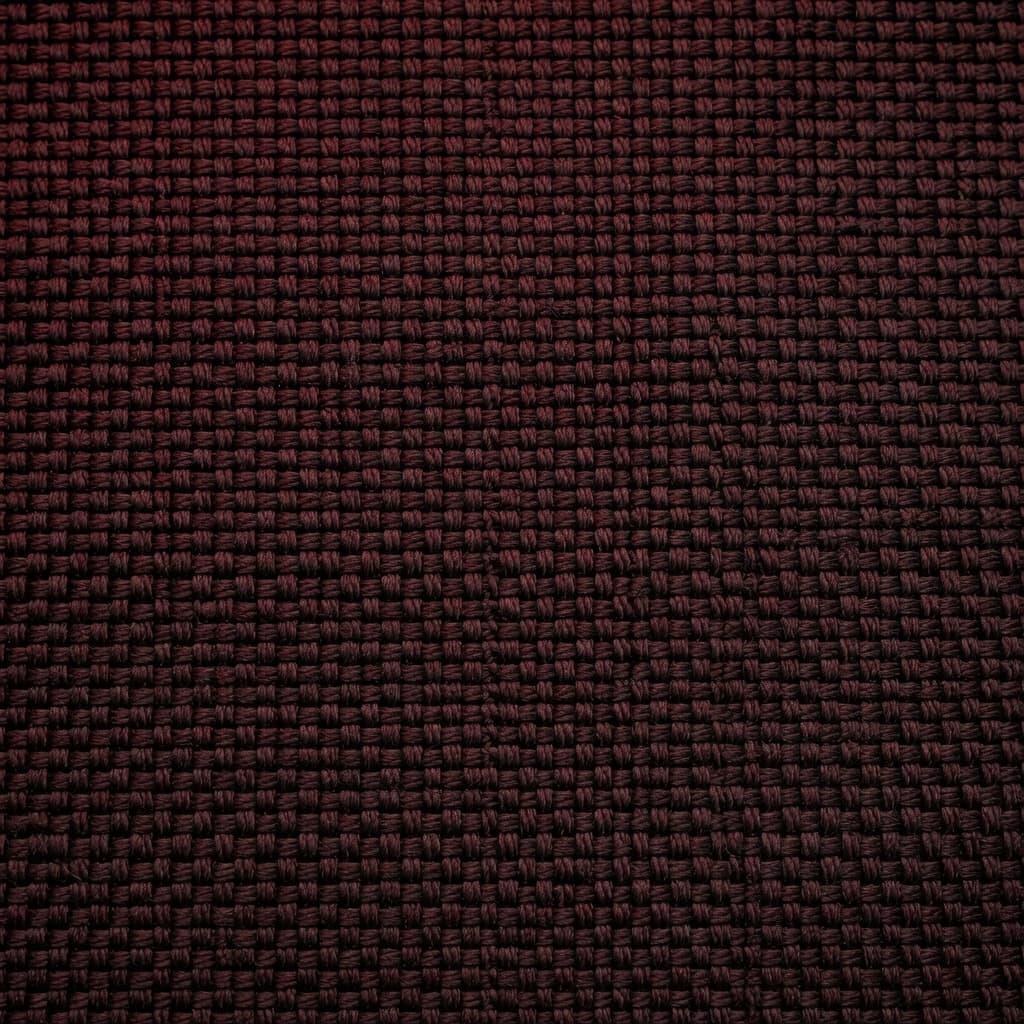
When aramid (Nomex) is exposed to heat, it resists ignition better than many common fabrics. If it does get hit with flame, it will char instead of melting.
That "doesn't melt" part is a big deal. Melted fabric can stick to skin and make burns worse. Aramid is used because it helps lower that risk. Natural fibers, such as cotton, wool, hemp etc also have this quality.
Another major protective quality of wildland-specific fabric is that it guards the skin against radiant heat. When exposed to radiant heat, the fibers in the fabric actually expand a bit, closing off all the tiny gaps in the weave and allowing less heat to penetrate through to your skin underneath.
This is why it's so important to your PPE clean, and not using products like fabric softeners. Excessive dirt/soot and especially oils (looking at you sawyers) on your garments coat the fibers and keep them expanding under heat. Fabric softeners, which leave a residue on the fabric, have the same effect. They diminish the heat-protective quality of the garments you wear on the line.
It's also worth keeping one fact straight: Aramid is flame resistant, not magic. In NWCG's Dirty Nomex note, the agency points out that Nomex can burn while a flame is held to it, but it stops burning once the heat source is removed. That's a practical way to think about it. The fabric helps protect you in dangerous exposure, but it doesn't make you fireproof.
Why firefighters trust inherent flame resistance
Wildland work is full of exposure risk. Firebrands land on sleeves. Radiant heat builds fast. A flare-up can turn a routine task into a bad minute.
In that kind of work, inherent flame resistance gives firefighters a more dependable starting point. You don't have to wonder whether the protection is mostly sitting on the surface of the fabric.
Like carrying a fire shelter, FR clothing doesn't replace smart tactics or situational awareness. It does mean your gear is less likely to become the weak link when conditions change fast.
Why wildland crews wear Nomex
Wildland PPE has a hard job. It has to protect from heat and flame, but it also has to function like activewear. Good gear should not be a hinderance when it comes to the monumental physical labor we put in on the line. It needs to breathe, and be lightweight enough to work in for 16 after 16 after 16.
That's why aramid/Nomex shows up in shirts, pants, hoods, and other gear. It hits a workable balance of protection, comfort, and durability.
Protection without wearing armor
Nobody wants wildland gear that feels like a turnout coat when the temperature is already punishing. Wildland firefighters need protection, but they also need to move. Wildland-specific gear helps fill that gap. It can provide flame resistance without turning the whole garment into something heavy, stiff, or bulky.
When you're side-hilling with a pack, stepping over downfall, or digging line for days, every ounce and every restriction shows up. Gear that protects but still lets you work is the whole point.
Breathability matters on long shifts
Heat stress doesn't care how good the fabric sounds on paper. If your gear traps too much heat and moisture, you'll feel it fast.
Wildland crews work in high-output conditions. Breathability matters because comfort affects focus, pace, and fatigue. A shirt or pant that moves air better can make a long operational period more manageable.
That's also why fabric blends, weave, and garment design matter so much. TenCate's wildland fabric overview is a good example of how manufacturers talk about the balance between flame resistance, comfort, and wear life. Nomex is part of that equation, not the whole equation.
Better fit means fewer distractions
Bad fit creates constant noise. Sleeves ride up. Knees bind. Waistbands shift. Pocket placement gets annoying. You stop noticing the gear only when it fits right.
That is where custom wildland gear starts to make sense. If a garment matches your body and the way you work, you spend less time tugging at it and more time paying attention to the job. Good PPE should disappear while you're working. If you're thinking about your pants every ten minutes, something is off.
Shirts and pants that do the heavy lifting
Wildland shirts and pants take the most abuse. They deal with brush, dirt, tools, pack straps, knee wear, and constant movement. They're also the items most likely to make or break comfort over a long shift.
Nomex shirts are common because they give upper-body protection without the feel of heavy outerwear. Nomex pants matter just as much, since your legs take plenty of friction and punishment on the line. If you want a basic example of how standard Nomex wildland pants are positioned, you'll see the same themes come up again and again, flame resistance, mobility, and durability.
Building details that decide how gear wears
Fabric name alone doesn't tell the whole story. Two garments can both use Nomex and feel completely different in the field.
Seams matter. Stitching matters. Pocket layout matters. Reinforced areas, articulation, rise, cuff shape, closure design, and thread choice all affect how the piece moves and how long it lasts.
A shirt with poor seam placement can rub under a pack. Pants with the wrong cut can fight you every time you step up on slope. The best gear isn't only made from good fabric. It's built well from top to bottom and customized to your body. Human beings don't come in five standard sizes!
What to check before you buy Nomex wildland gear
Not every Nomex garment feels the same, wears the same, or fits the same.
Seeing "Nomex" on a product page doesn't tell you much by itself. You still need to look at weight, weave, cut, construction, and how the garment matches your actual work.
Compare fabric weight, feel, and toughness
Lighter isn't always better. Heavier isn't always tougher in the ways that matter to you. A fabric can feel sturdy on a hanger and still wear poorly in high-friction spots.
Pay attention to how the garment feels when you bend, squat, and reach. Think about where you destroy gear first, knees, cuffs, pocket edges, seat, elbows. The right balance depends on your assignment, your body, and how hard you are on clothing.
If you're buying for long seasons, comfort on day one and wear life on day ninety both count.
Sizing and custom options count
Fit is not a style issue in this field, it's a safety issue. Gear that's too loose can snag, bunch, and shift. Gear that's too tight limits reach, stride, and airflow, causing uneccesary fatigue added to an already massively fatiguing job.
That is why some firefighters move toward custom gear after getting tired of average sizing. Build-to-order options can help if off-the-rack pants never fit your waist and inseam at the same time, or if standard shirt cuts bind across the shoulders.
Good sizing also helps layering work the way it should. You want room to move and room to breathe, not extra fabric flapping around all day.
Care, repair, and long-term wear
Even inherently flame-resistant clothing needs care. Dirt, oil, fuel, tears, worn cuffs, and broken closures all affect how gear performs in the field.
Follow the care instructions that come with the garment. Wash it the way the maker recommends. Inspect it after hard use. If stitching is failing or the fabric is damaged, don't ignore it. Incidental offers repair and alteration services for this very reason.
Fireline clothing isn't disposable, but it isn't permanent either. The smartest buyers think about repairs, service life, and day-to-day upkeep before the first shift.
The bottom line on Nomex and wildland safety
Nomex stays common in wildland gear for a reason. It offers real flame resistance, doesn't melt like many synthetic fabrics, and can still be made into clothing that moves well and breathes better than heavier structural gear.
That balance is what wildland firefighters need. Protection matters, but so do range of motion, comfort, and durability over long hours.
If you're shopping for new PPE, don't stop at the fabric label. Look at the whole garment, how it's cut, how it's built, and whether it will still work when you're tired, hot, and a few miles from the rig.
Nomex is a flame-resistant fiber built for protective clothing, and that's why it belongs in wildland PPE. It helps lower burn risk while still allowing the kind of movement and wearability fireline work demands.
The best gear pairs Nomex with smart construction and a fit that doesn't fight you. When your clothing protects well, breathes well, and stays out of the way, you've made a better call before the shift even starts.